Mount Bromo Travel Guide: Sunrise Adventure in East Java, Indonesia
Mount Bromo Travel Guide: Sunrise Adventure in East Java, Indonesia
Everything you need to plan a safe, epic sunrise trip to one of Indonesia’s most iconic volcanoes.
Why Mount Bromo?
Mount Bromo (Gunung Bromo) is the crown jewel of Bromo Tengger Semeru National Park. Famous for sunrise views over a dramatic sea of volcanic sand, a smoking crater, and misty mountain silhouettes, Bromo is a photographer’s paradise and an adventurous playground for travelers of all types. Beyond the landscapes, the area is home to the Tenggerese people with their living traditions—most notably the annual Yadnya Kasada ceremony.

Quick Facts
- Location: East Java (Provinces: Pasuruan / Probolinggo / Malang areas)
- Park: Bromo Tengger Semeru National Park
- Highest peak in park: Mount Semeru (3,676 m) — active volcano
- Accessibility: Nearest towns: Probolinggo, Malang, Pasuruan; gateways: Cemoro Lawang, Tosari
- Best time to visit: Dry season — May to September
How to Get There
Getting to Bromo takes planning but is straightforward. You have two main approaches: self-drive / private car or public transport + local transfers.
From Surabaya (largest nearby city)
Surabaya is usually the international gateway for East Java. From Surabaya you can:
- Rent a car and drive (approx. 3–4 hours to Cemoro Lawang depending on route)
- Take a train to Probolinggo then arrange a jeep/transfer to Cemoro Lawang (1.5–2 hours from Probolinggo)
- Book a private transfer or join an organized tour that includes sunrise pickup
From Malang
Malang is another common base (approx. 2–3 hours by car to Tosari or Cemoro Lawang). Many travelers combine Malang’s cool city vibe with a Bromo trip.
Public Transport Options
Take an intercity bus to Probolinggo or Pasuruan, then public minivans (known locally as angkot or travel) to Cemoro Lawang. Note: final legs can be rough roads — many visitors prefer to prebook a jeep and guide.
Where to Stay
Cemoro Lawang is the most popular village for sunrise trips: small guesthouses and homestays sit on the caldera rim with immediate access to viewpoints. Alternatives include Tosari, Ngadas, and hotels in nearby Probolinggo or Malang if you prefer more comfort.
Sunrise at Mount Bromo — Step-by-Step
The classic Bromo experience starts in the pre-dawn hours. Here’s a typical flow for a sunrise trip:
- Pick up: Most tours pick you up between 03:00–04:00 from your hotel in Cemoro Lawang or nearby towns.
- Drive by jeep: A 4x4 jeep will take you across the volcanic plain (the Sea of Sand) to Penanjakan or other viewpoints.
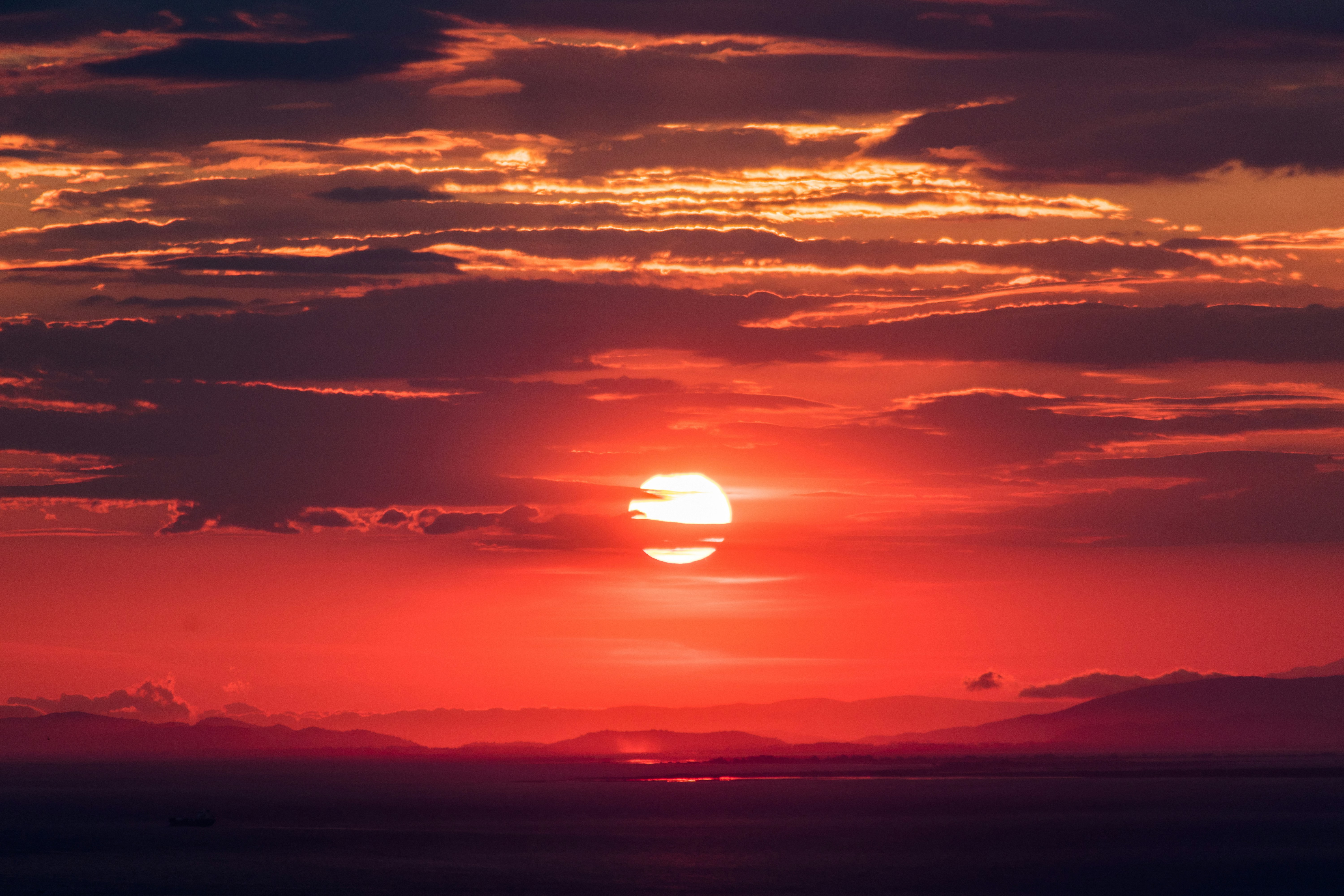
- Sunrise viewpoint: Hike a short path or steps to the Penanjakan ridge to watch the sunrise spectacle — glowing skies, silhouettes of Semeru, and Bromo’s smoking crater.
- Visit the crater: After sunrise, jeeps drive across the desert to the base of Bromo. A 20–30 minute climb up steps leads to the crater rim where you can look into the steaming mouth.
Top Viewpoints & Photo Spots
1. Penanjakan (Kingkong Hill / Viewpoint 1)
The most famous sunrise viewpoint. Arrive early to claim a good spot; the horizon shows Semeru, Bromo crater, and the sea of sand.
2. Bukit Kingkong (King Kong Hill)
A slightly higher ridge with panoramic angles — a great option if Penanjakan is crowded.
3. Savanna / Teletubbies Hill
Rolling grassy hills near the Sea of Sand that turn golden in the dry season — perfect for wide landscape shots.
4. Bromo Crater Rim
The dramatic close-up of the smoking crater. The ascent involves walking up around 250 steps from the caldera floor.
What to Pack
Bromo’s elevation and early start require planning:
- Warm layers (fleece, jacket) — early mornings can be 0–5°C.
- Good walking shoes (closed shoes; not flip-flops) for volcanic sand and steps.
- Headlamp or flashlight for pre-dawn walks.
- Sunglasses, sunscreen, hat for daytime.
- Face mask or scarf — volcanic ash and sand can be windy.
- Camera, extra batteries, power bank, and tripod for sunrise shots.
- Water & snacks — limited options on the caldera floor.
Safety & Volcano Status
Mount Bromo is active, and the park authority may close areas or change access when volcanic activity rises. Always check the PVMBG (Indonesian Volcano Monitoring) updates or local guides. Stay with a ranger, follow signs, and never cross fenced or restricted areas.
Local Culture — The Tenggerese People & Yadnya Kasada
The Tenggerese are a Hindu-Buddhist-influenced community living around the caldera. Their most important festival is Yadnya Kasada (usually in the 4th–6th months of the Tengger calendar), when offerings are thrown into Mount Bromo's crater as gratitude to the gods. If you visit during the ceremony, expect colorful processions, traditional costumes, and limited access to certain paths.
Best Time to Visit
May–September (dry season) offers clear skies and great visibility for sunrise. Avoid the wet season (Oct–Apr) if you want minimal rain and stable jeep/taxi access; roads can become slippery. Note: peak tourist months (July–August, national holidays) are crowded — book accommodation and jeeps early.
Suggested Itinerary (2–3 Days)
Option A — Short Trip (2 Days / 1 Night)
- Arrive in Probolinggo / Malang, transfer to Cemoro Lawang.
- Pre-dawn jeep to Penanjakan for sunrise, visit Bromo crater, return to hotel.
- Depart to next destination (Malang / Surabaya).
Option B — Relaxed Pace (3 Days / 2 Nights)
- Day 1: Travel to Cemoro Lawang, short village walk, rest.
- Day 2: Sunrise at Penanjakan, Bromo crater visit, explore Savanna.
- Day 3: Visit Tosari or nearby waterfalls, return to Malang / Surabaya.
Food & Accommodation
Simple homestays and guesthouses dominate Cemoro Lawang, offering warm food (local Javanese dishes), tea/coffee, and basic hot showers. If you prefer more comfort, stay in Malang or Batu and do a day-trip. Sample local foods like rawon, nasi jagung, and snacks sold by vendors near viewpoints.
Photography Tips
- Arrive early to secure a vantage point and avoid crowds.
- Use a tripod for long exposures during low light sunrise shots.
- Bring lens cloths — volcanic sand can stick to glass.
- Experiment with wide-angle lenses to capture the sea of sand and Semeru in one frame.
Responsible Travel & Conservation
Be mindful of the fragile volcanic ecosystem and local traditions. Don’t litter on the caldera floor, avoid picking plants, and support local businesses. When booking jeep tours, prefer operators who follow park regulations and treat drivers/porters fairly.
Costs & Budgeting
Typical budget breakdown (approximate):
- Jeep sunrise tour (shared): IDR 300k–500k per jeep (split among passengers)
- Accommodation (homestay): IDR 150k–400k per night
- Park/ticket fees: small entrance fees may apply (varies for domestic/international visitors)
- Food & drinks: IDR 30k–80k per meal
Common Questions
Can I visit Bromo on my own without a guide?
Yes, technically you can, especially if you self-drive. However, a local jeep with a driver or guide is recommended for safety, navigation across the Sea of Sand, and for catching the best sunrise spots.
Is Bromo dangerous?
Like any active volcanic area, risks exist (ash, toxic gases, sudden eruptions). Follow park warnings and guides. Most visits are safe if you stick to designated routes and heed advice.
AdSense & Monetization Placement
For bloggers: place an ad above the fold, one mid-article near the Sunrise section, a native ad in the itinerary, and a bottom banner. Also consider affiliate links for local tours, transport, and accommodation bookings.
Recommended Resources & Links
- Official Bromo Tengger Semeru National Park info (local government sites)
- Indonesian Volcano Observatory updates (PVMBG)
- Local jeep operators & trusted travel agencies
Conclusion
Mount Bromo is a must-visit for anyone traveling to Java or Indonesia. Its otherworldly sunrise, dramatic landscapes, and cultural depth make it an unforgettable experience. With sensible planning, respect for local customs, and attention to safety, your Bromo trip will be one of the highlights of your Southeast Asia travels.
Explore more:
Tidak ada komentar:
Posting Komentar