Borobudur Temple Travel Guide: Exploring the World’s Largest Buddhist Monument
Borobudur Temple Travel Guide: Exploring the World’s Largest Buddhist Monument
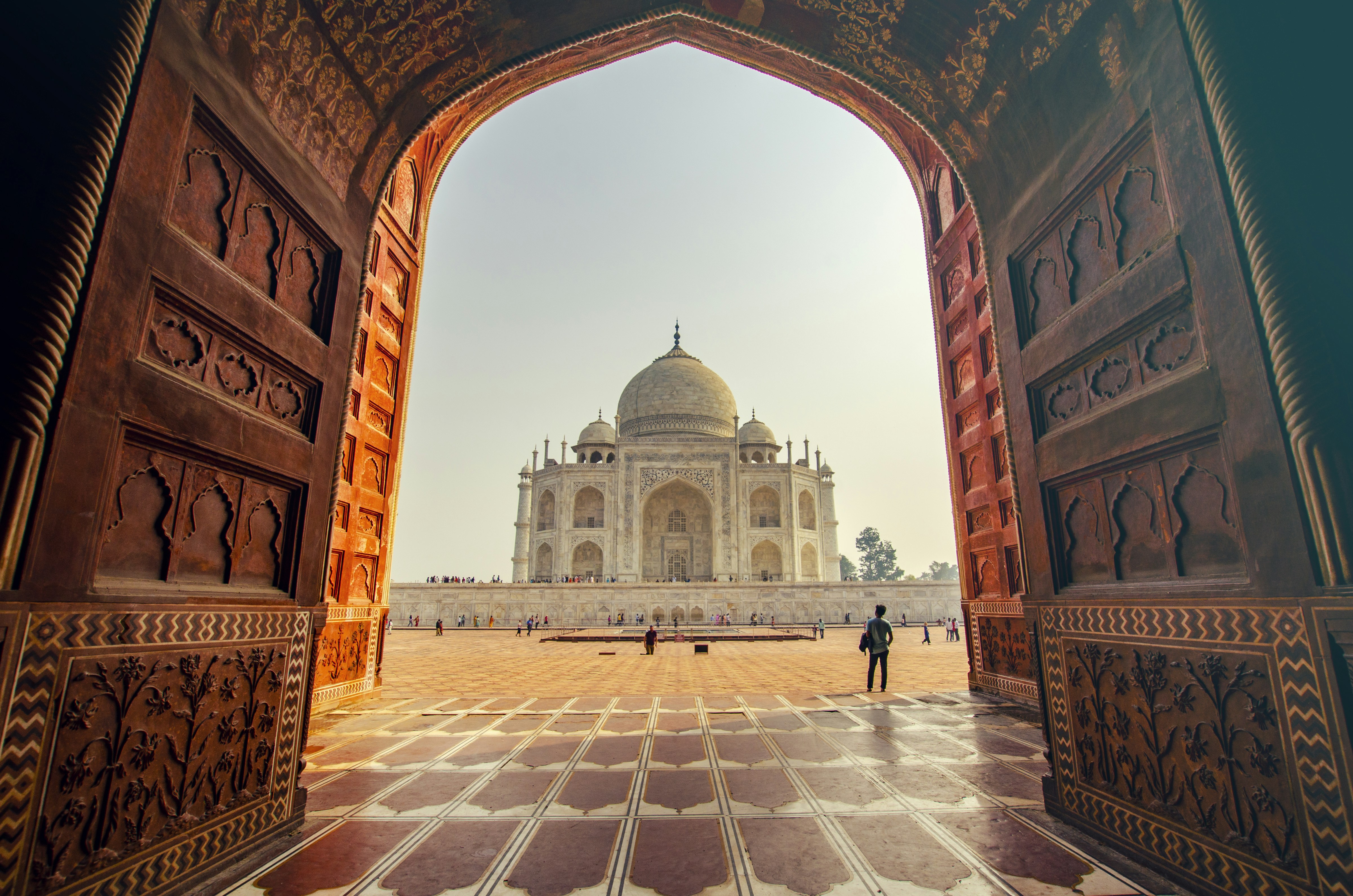
Borobudur Temple in Central Java, Indonesia, is more than just a UNESCO World Heritage Site — it is the largest Buddhist monument in the world, a spiritual landmark, and one of the most visited attractions by international travelers in Southeast Asia.
Why Visit Borobudur Temple?
Travelers from around the world flock to Borobudur not only to witness its grand scale and intricate relief carvings but also to experience a serene sunrise tour overlooking the misty hills of Central Java. It’s a place where history, culture, and spirituality merge.
History of Borobudur Temple
Built in the 9th century during the reign of the Sailendra Dynasty, Borobudur stands as a symbol of Mahayana Buddhism in Java. With over 2,600 relief panels and 500 Buddha statues, the monument tells the story of Buddhist cosmology.

Location & How to Get There
Borobudur is located about 40 km northwest of Yogyakarta. Travelers can reach it by:
- By Car/Taxi: Around 1–1.5 hours from Yogyakarta.
- By Bus: Regular buses operate from Yogyakarta’s Jombor terminal.
- By Tour Package: Many operators offer sunrise tours including transportation.
Architecture & Symbolism
Borobudur consists of nine stacked platforms topped by a central dome. The structure represents Buddhist cosmology: Kamadhatu (the world of desire), Rupadhatu (the world of forms), and Arupadhatu (the formless world).

Things to Do at Borobudur
1. Sunrise Tour
The most popular activity at Borobudur is catching the sunrise. Visitors often arrive before 4:30 AM to climb up and witness the first rays of light illuminating the stupas.
2. Explore the Reliefs
Walk around the galleries and study the carvings, which depict Buddhist teachings, daily life in 8th-century Java, and mythological stories.
3. Visit Karmawibhangga Museum
This museum houses original stones, restoration stories, and detailed history about Borobudur’s rediscovery in the 19th century.
4. Explore Nearby Villages
Villages like Candirejo offer cultural activities such as traditional dance, gamelan, and handicraft workshops.
Best Time to Visit
The best months to visit Borobudur are during the dry season, from May to September. Avoid weekends and holidays if you want a quieter experience.
Practical Tips for Visiting
- Tickets: International visitors pay around USD 25–30.
- Dress Code: Wear comfortable clothes and modest attire.
- Health & Safety: Be prepared for climbing steep stairs.
- Rules: Currently, access to the top stupa is restricted to limited visitors per day.
Itinerary: Yogyakarta + Borobudur (2–4 Days)
Day 1: Explore Yogyakarta city (Malioboro, Kraton, Taman Sari).
Day 2: Sunrise tour at Borobudur, visit Mendut & Pawon temples.
Day 3: Prambanan Temple and cultural performance.
Day 4: Batik workshops, shopping, and departure.
Where to Stay & Eat
Accommodations range from budget hostels to luxury resorts near Borobudur. Popular stays include Amanjiwo Resort and local homestays. Don’t miss trying gudeg in Yogyakarta and traditional Javanese snacks around Borobudur.

Responsible Tourism
Remember to respect local traditions, avoid littering, and follow conservation rules. Borobudur is not only a tourist site but also a sacred place of worship.
Internal Links for Further Reading
Conclusion
Borobudur Temple is not just an ancient monument, it’s a journey into the spiritual and cultural heart of Indonesia. Whether you come for sunrise photography, cultural exploration, or spiritual reflection, Borobudur will leave a lasting impression.
Tidak ada komentar:
Posting Komentar