Yogyakarta Travel Guide: Exploring the Heart of Javanese Culture
Yogyakarta Travel Guide: Exploring the Heart of Javanese Culture
A complete guide to Yogyakarta — Indonesia’s cultural capital, where history, tradition, and adventure meet.
Why Visit Yogyakarta?
Yogyakarta, often simply called Jogja, is the beating heart of Javanese culture. Located in Central Java, this vibrant city is famous for its royal palace, ancient temples, bustling street life, and thriving art scene. For international travelers, Yogyakarta is the gateway to Borobudur Temple and Prambanan Temple, two UNESCO World Heritage sites. But Jogja offers much more: traditional batik workshops, gamelan music, delicious local food, and nearby volcanoes and beaches.

History & Culture of Yogyakarta
Yogyakarta is one of the few regions in Indonesia that is still governed by a Sultan. The Sultanate of Yogyakarta has existed since the 18th century and continues to play an important role in preserving Javanese culture and traditions. The city is also an educational hub, home to Gadjah Mada University and other leading institutions, giving it a youthful and dynamic vibe.
Top Destinations in Yogyakarta
1. Keraton Yogyakarta
The Keraton, or Sultan’s Palace, is the cultural heart of Yogyakarta. Visitors can explore the palace grounds, museums, and watch cultural performances such as gamelan concerts and traditional dances.
2. Malioboro Street
Malioboro is Jogja’s most famous street, lined with shops selling batik, souvenirs, and street food. It’s a lively place to experience local life, especially in the evening when street performers and food stalls fill the sidewalks.

3. Taman Sari Water Castle
Just a short walk from the Keraton, Taman Sari was once a royal garden with pools, underground tunnels, and pavilions. Today, visitors can explore the ruins and learn about the sultanate’s history.
4. Prambanan Temple
Located just outside the city, Prambanan is the largest Hindu temple complex in Indonesia. Built in the 9th century, it features towering spires and intricate carvings that depict scenes from the Ramayana epic. Don’t miss the evening Ramayana Ballet performance set against the temple backdrop.
5. Borobudur Temple
About 40 km from Yogyakarta, Borobudur is the world’s largest Buddhist temple and a UNESCO site. Sunrise tours are especially popular, offering breathtaking views as the sun rises over misty hills and volcanoes.
6. Gunungkidul Beaches
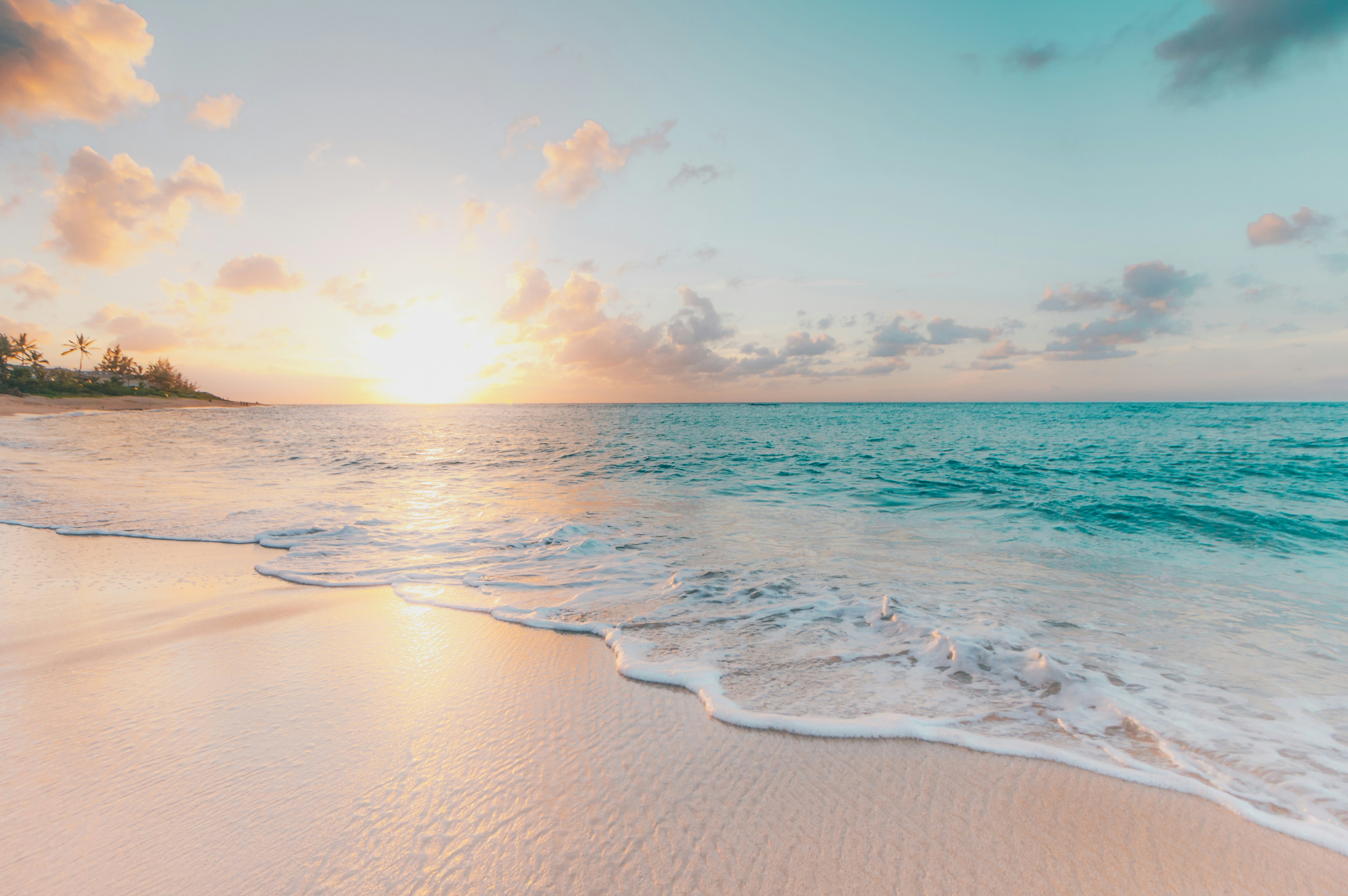
Yogyakarta is not just about temples. The southern coastline of Gunungkidul offers stunning beaches such as Indrayanti Beach, Timang Beach (famous for its gondola ride), and Kukup Beach. These hidden gems feature white sand, cliffs, and clear waters.

7. Mount Merapi Tours
Adventurers can take jeep tours around Mount Merapi, one of Indonesia’s most active volcanoes. The tours include visits to lava fields, villages affected by eruptions, and scenic viewpoints.
Art & Culture Experiences
- Batik Workshops: Learn the art of batik at local studios.
- Wayang Kulit: Watch traditional shadow puppet shows.
- Gamelan: Experience traditional Javanese music ensembles.
- Kotagede Silver: Visit Kotagede, the center of silver crafts in Yogyakarta.
Culinary Guide
Food is an essential part of Jogja’s charm. Don’t miss:
- Gudeg: A sweet jackfruit stew, the city’s signature dish.
- Bakpia Pathok: Sweet pastry filled with mung bean paste, a popular souvenir.
- Street Food: Satay, nasi kucing, and wedang ronde are must-tries at Malioboro night markets.
Itinerary Suggestions
3-Day Itinerary
- Day 1: Explore Keraton, Taman Sari, and Malioboro.
- Day 2: Visit Borobudur and Prambanan.
- Day 3: Day trip to Gunungkidul beaches or Mount Merapi.
5-Day Itinerary
- Day 1: Arrival and Malioboro evening walk.
- Day 2: Keraton, Taman Sari, batik workshop.
- Day 3: Borobudur sunrise tour, afternoon in Kota Gede.
- Day 4: Prambanan and Ramayana Ballet.
- Day 5: Jeep tour at Mount Merapi or beaches.
Transport Guide
- By Air: Yogyakarta International Airport (YIA) serves domestic and international flights.
- By Train: Tugu Station connects Jogja with Jakarta, Surabaya, and Bandung.
- Local Transport: Use becak (pedicabs), TransJogja buses, taxis, or motorbike rentals.
Shopping & Souvenirs
Popular souvenirs include batik clothing, silver jewelry, wayang puppets, and bakpia pastries. Malioboro and Kotagede are the best shopping spots.
Tips for Visitors
- Best Time to Visit: May to September (dry season).
- Respect Culture: Dress modestly at temples and religious sites.
- Language: Basic Bahasa Indonesia phrases help connect with locals.
- Safety: Yogyakarta is generally safe, but watch for pickpockets in crowded areas.
AdSense & Monetization Strategy
For blog monetization, place AdSense ads strategically: top banner before intro, in-article ads after major sections, and bottom banners after conclusion. You can also use affiliate links for tours, hotels, and transport in Yogyakarta.
Conclusion
Yogyakarta is more than just a city — it is a living museum of Javanese culture, a center for arts, and a gateway to iconic temples and natural wonders. Whether you come for the history, the food, or the adventure, Jogja will leave a deep impression on your heart.
Explore more: